What to visit
The Quadrilatero in Bologna: Historic Market and Traditional Shops
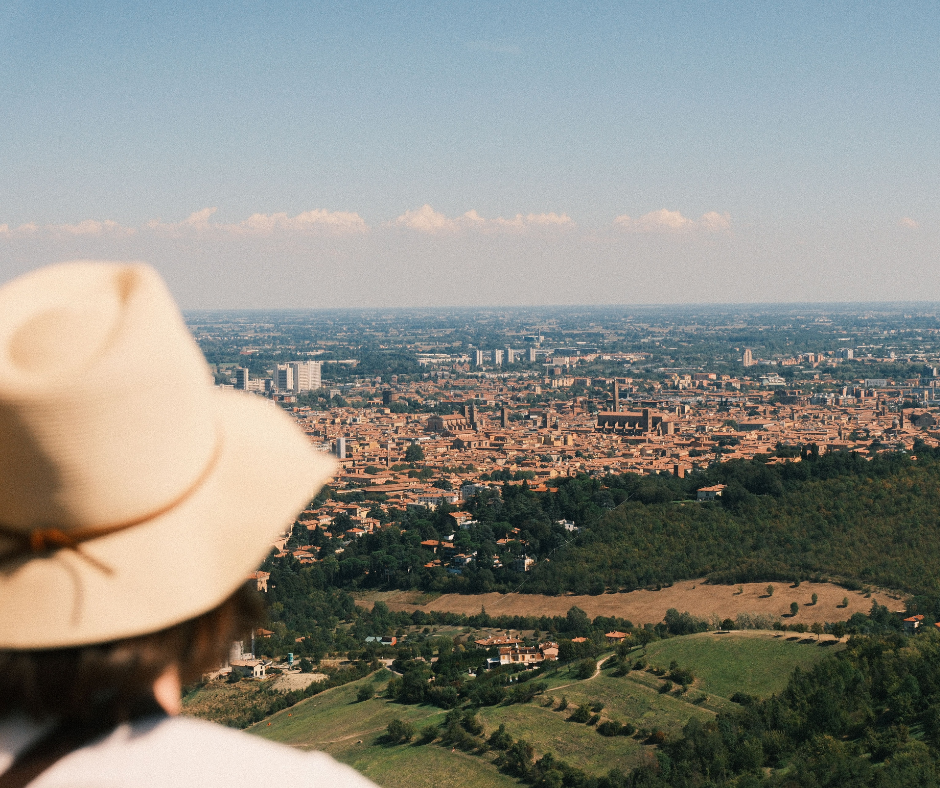
Discover Bologna's Quadrilatero: historic alleyways, traditional shops, market stalls and local flavours. A walking itinerary through the heart of the city.
Bologna's Quadrilatero: Historic Market, Traditional Shops and Local Flavours
In the heart of Bologna's historic centre lies the Quadrilatero, one of the city's most distinctive neighbourhoods. Its narrow alleyways, traditional shops, food stores and ancient palaces tell the story of a commercial tradition dating back to the Middle Ages.
Just a short walk from Piazza Maggiore, the Quadrilatero is an ideal stop for anyone wishing to discover Bologna through its historic streets, architecture and culinary culture.
Walking along Via Pescherie Vecchie, Via Drapperie and Via Clavature means immersing yourself in a lively atmosphere, where the history of ancient craft guilds meets everyday life in the city centre.
If you're planning a weekend in Bologna, make sure to include the Quadrilatero in your itinerary. It's an area best explored at a leisurely pace, following the streets and browsing the shop windows of its traditional businesses.
Where Is Bologna's Quadrilatero?
The Quadrilatero is located in the historic centre, in the area bordered by major streets such as Via Rizzoli, Via dell'Archiginnasio, Via Farini and Via Castiglione.
The neighbourhood is just a short walk from Piazza Maggiore and the Two Towers, making it easy to include in a walking itinerary covering the city's main landmarks.
Its central location means you can easily visit the market while exploring the heart of Bologna, combining food shopping with visits to nearby squares, churches and historic buildings.
To find your way, start at Piazza Maggiore and venture into the market streets, following the alleyways beneath the arches of the historic centre.
The History of the Quadrilatero: From Medieval Guilds to Today's Shops
The Quadrilatero owes much of its identity to Bologna's long-standing craft and commercial traditions.
During the Middle Ages, this part of the city was home to businesses selling food and workshops run by local artisans. Professional guilds helped organise the city's economy and left traces that can still be recognised in the names of several streets.
Via Pescherie Vecchie recalls the area's historic fish trade, while Via Drapperie preserves the name of the drapers who once sold textiles here. The name Via Clavature is also associated with the craft activities that characterised the neighbourhood.
Over the centuries, commercial activities have evolved, but the Quadrilatero has retained its strong trading heritage. Today, traditional shops coexist with cafés, specialist stores and businesses dedicated to gastronomy.
This continuity makes the neighbourhood interesting not only for those looking for somewhere to eat or shop, but also for anyone wishing to discover a fascinating chapter in Bologna's urban history.
What to See in Bologna's Quadrilatero
Via Pescherie Vecchie
Via Pescherie Vecchie is one of the most recognisable streets in Bologna's historic market district.
Its name recalls the area's former fishmongers. Today, the street is lined with food shops, stores and eateries that contribute to the neighbourhood's lively atmosphere.
Take your time exploring, admiring the building façades, shop signs and displays that reflect the city's commercial heritage.
Via Drapperie
Via Drapperie is another characteristic street in the Quadrilatero, featuring a combination of historic buildings and commercial businesses.
Its name preserves the memory of the drapers who once traded here, while the street itself retains the intimate, winding character of a medieval market district.
As you walk along it, you'll discover architectural details, traditional shops and charming corners that can easily be missed during a hurried visit to the city centre.
Via Clavature
Via Clavature connects some of the most interesting spots in the market district.
The street retains the charm of Bologna's historic thoroughfares, where commercial activities are woven into an urban landscape that has developed over centuries.
It's a natural stop to combine with Via Pescherie Vecchie and Via Drapperie, creating a short walking route through the Quadrilatero's most characteristic streets.
Mercato di Mezzo
Mercato di Mezzo is one of the places most closely associated with the neighbourhood's culinary heritage.
The area has a long history of food trading and bringing together merchants and local residents. Today, the market is a point of reference for anyone wishing to discover Bolognese food culture and explore gastronomic offerings in a historic setting.
Before visiting, check opening hours and available businesses, as these may vary depending on the day and the management of the spaces.
Historic Buildings Nearby
The Quadrilatero is located in an area rich in architectural heritage.
A short walk takes you to Piazza Maggiore, the Basilica of San Petronio, the Archiginnasio and the area around the Two Towers.
This makes it easy to combine a visit to the market with a broader cultural itinerary, alternating between lively shopping streets and the main landmarks of the historic centre.
What to Taste During a Visit to the Quadrilatero
Food is an essential part of the Quadrilatero's identity.
Among the neighbourhood's traditional shops and food businesses, you can discover products associated with Emilian cuisine, including fresh pasta, cured meats, cheeses and other local specialities.
If you'd like to explore Bolognese gastronomy, look for traditional fresh-pasta dishes such as tortellini and tagliatelle al ragù, or sample local products available in the area's shops and eateries.
The best advice is to enjoy your visit without rushing. Browse the shops, discover the products and choose a place to eat based on your tastes. This allows you to appreciate the neighbourhood through its flavours as well as its history.
For more inspiration, read our guide to what to eat in Bologna and the traditional dishes that define the local cuisine.
A Walking Itinerary Through the Quadrilatero
You can explore the Quadrilatero on a walk lasting approximately 30–60 minutes, depending on how often you stop and how much time you spend browsing the shops.
First stop: Piazza Maggiore. Start in Bologna's main square and admire the historic buildings surrounding it.
Second stop: Via Pescherie Vecchie. Enter the heart of the market and stroll along the street, browsing traditional shops and food displays.
Third stop: Via Drapperie. Continue through the historic alleyways and admire the architectural features of the surrounding buildings.
Fourth stop: Via Clavature and Mercato di Mezzo. Spend some time exploring the shops and, if you wish, stop for a culinary break.
Fifth stop: Piazza della Mercanzia and the Two Towers. Finish your walk at one of the city's best-known landmarks before continuing towards other attractions in the historic centre.
The itinerary can easily be adapted to your interests and the time available.
When Is the Best Time to Visit the Quadrilatero?
The Quadrilatero can be visited throughout the year. The best time depends mainly on the experience you're looking for.
In the morning, you can browse the traditional shops and observe the neighbourhood's commercial life more closely. Around lunchtime, the area is ideal for a food break. In the afternoon, you can include it in a longer walk through the city's monuments and historic streets.
During busy periods, particularly at weekends and during city events, the streets can become crowded. If you'd prefer a quieter experience, consider visiting during less busy hours and check the opening times of any shops or venues you particularly want to visit.
Discover the Quadrilatero During Your Stay in Bologna
The Quadrilatero tells the story of a Bologna shaped by tradition, trade, architecture and culinary culture. It's an ideal stop for anyone who wants to explore the historic centre beyond its most famous monuments and experience a little of the city's everyday life.
During your stay, you can combine a visit to the market with a walking itinerary through Piazza Maggiore, the porticoes and the Two Towers, creating your own route to discover Bologna.
Phi Hotel Bologna is an accommodation option worth considering when planning your stay and exploring the city's attractions.
Discover the available rooms and apartments and start planning your next stay in Bologna.
Book directly through the official Phi Hotel Bologna website and experience the city through its history, traditional shops and local flavours.