What to visit
Bologna in 2 Days: A Walking Itinerary
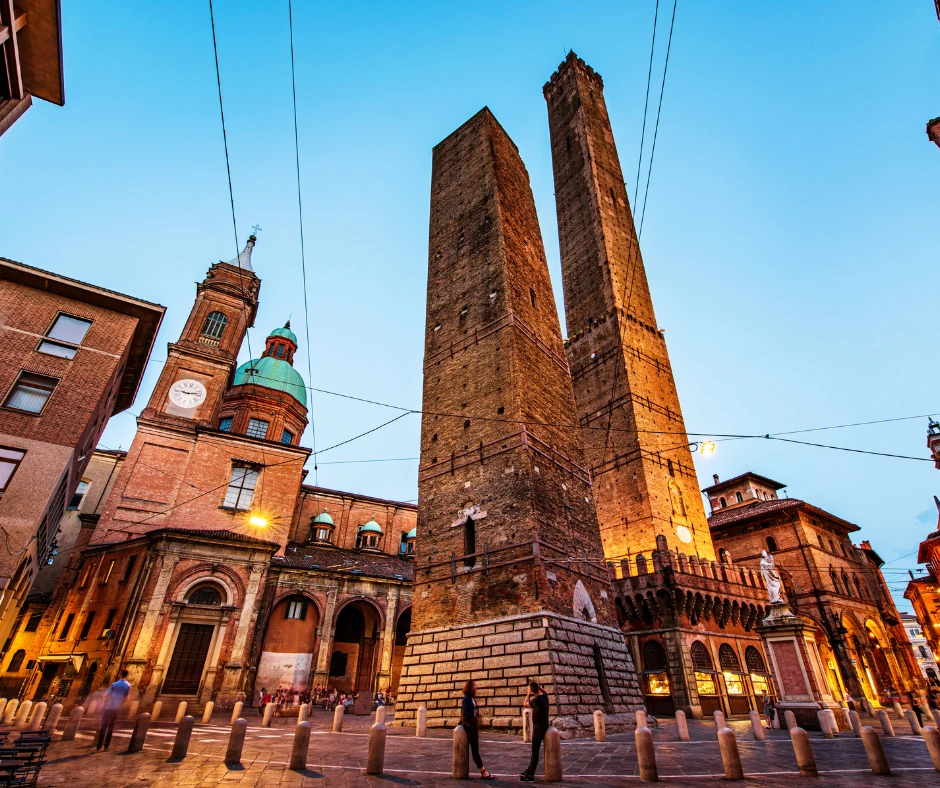
Discover Bologna in 2 days with a walking itinerary featuring Piazza Maggiore, the Two Towers, the Quadrilatero and the city's most charming landmarks.
Bologna in 2 Days: A Walking Itinerary Through the Historic Centre and Its Landmarks
Planning a weekend in Bologna and want to discover the city's most beautiful places without wasting time travelling between attractions? Two days are a great opportunity to explore the historic centre, admire the city's most iconic landmarks, stroll beneath its famous porticoes and savour Bologna's traditional cuisine.
Bologna is a city best experienced on foot. Its squares, medieval streets, historic palaces and traditional shops unfold throughout a historic centre that is rich in heritage and easy to explore on foot.
In this guide, you'll find a two-day itinerary for Bologna, with stops organised by area and tips for combining cultural visits, leisurely walks and culinary experiences.
Day 1: Bologna's Historic Centre
The first day is dedicated to the heart of the city, where some of its best-known attractions are concentrated. You can follow the route on foot, allowing enough time to visit the monuments and stop along the charming streets of the city centre.
1. Piazza Maggiore and the Basilica of San Petronio
Piazza Maggiore is the ideal starting point for discovering Bologna. Surrounded by historic buildings and porticoes, it has been at the centre of city life for centuries.
The square is home to the Basilica of San Petronio, one of the city's most important landmarks. Its façade, with a lower section clad in marble and an upper section made of brick, is one of Bologna's most recognisable architectural features.
From the square, you can continue towards Palazzo d'Accursio, Palazzo del Podestà and the nearby Piazza del Nettuno, where the famous Renaissance fountain stands.
Take time to admire the details of the buildings and walk beneath the porticoes surrounding the square. They are an integral part of the city's historic identity.
2. The Archiginnasio and the Anatomical Theatre
Just a short walk from Piazza Maggiore lies the Archiginnasio, one of the most significant buildings in Bologna's university history.
Built in the 16th century, it served as the central headquarters of the University of Bologna's schools. Inside, you'll find rooms decorated with coats of arms and inscriptions that bear witness to the students and professors who came from numerous countries over the centuries.
One of its best-known spaces is the Anatomical Theatre, an old lecture hall used for anatomy lessons, featuring wooden panelling and a layout designed to allow students to observe demonstrations.
Before visiting, check the opening hours and access arrangements for the areas open to the public.
3. The Quadrilatero: Bologna's Historic Market District
After your cultural visit, head to the Quadrilatero, one of the most characteristic areas of the historic centre.
Along Via Pescherie Vecchie, Via Clavature and the surrounding streets, you'll find traditional shops, food stores and eateries that reflect Bologna's deep connection with its culinary heritage.
It's the ideal place for a lunch break or to sample local specialities such as tortellini, tagliatelle al ragù, mortadella and crescentine, traditional fried bread.
The Quadrilatero is also a wonderful opportunity to experience Bologna at its most lively and authentic, where traditional businesses coexist with historic buildings and picturesque streets.
4. The Two Towers and the Medieval City Centre
Continue towards Via Rizzoli to reach the Two Towers, among Bologna's most famous landmarks.
The Asinelli Tower and the nearby Garisenda Tower tell the story of the city's medieval past, when towers were numerous and shaped its urban skyline.
Both structures are recognisable from a distance and are an essential stop for anyone visiting Bologna for the first time. You can admire them from the outside and continue along the surrounding streets to discover other historic buildings.
Before planning any visits inside the towers, check the official opening information and access conditions, as restrictions or renovation work may affect availability.
5. Piazza Santo Stefano and the Seven Churches Complex
In the afternoon, make your way to Piazza Santo Stefano, one of the most atmospheric corners of the historic centre.
The square is dominated by the Santo Stefano complex, also known as the Seven Churches. It is a collection of religious buildings and historic spaces that have developed over the centuries.
The atmosphere here is different from that of the city's busier squares. You can stroll at a leisurely pace, admire the façades and discover one of Bologna's most distinctive historic sites.
The area is also perfect for ending the afternoon with a walk through the surrounding porticoed streets and historic palaces.
6. An Evening of Bolognese Cuisine and Historic Streets
After a day spent exploring monuments and walking through the city, dedicate the evening to local gastronomy.
Bolognese cuisine offers plenty of specialities to try, from fresh pasta to traditional dishes. Alternatively, choose a bar for an aperitivo and continue your evening exploring the streets of the historic centre.
If you'd like to enjoy a culinary experience during your stay, discover the dining options at Atipico Osteria, located at Phi Hotel Bologna.
Day 2: Porticoes, Culture and Hidden Gems
The second day is dedicated to a different side of Bologna: its porticoes, historic neighbourhoods and less obvious scenic corners.
You can adapt the itinerary to suit your interests and the weather, spending more time walking outdoors or choosing a cultural visit.
1. Bologna's Porticoes
The porticoes are one of the city's most distinctive features, accompanying visitors along historic streets, squares and walking routes.
In 2021, twelve representative sections of Bologna's portico system were recognised as a UNESCO World Heritage Site. Their value goes beyond architecture: for centuries, they have encouraged social interaction, commercial activity and everyday life among Bologna's residents.
As you walk, look out for the differences between the oldest porticoes, stone arches and buildings from later periods.
2. The University District and Via Zamboni
The university district offers a glimpse of Bologna's youthful and dynamic character, shaped by a centuries-old academic tradition.
Via Zamboni is one of the area's most representative streets. Along the way, you'll find historic buildings, university departments, cafés and places frequented by students and local residents.
You can explore the neighbourhood on foot or spend part of the morning visiting a museum or another cultural attraction, checking opening hours and availability in advance.
3. The Little Window on Via Piella and Bologna's Hidden Canals
Bologna also hides lesser-known sights connected with its industrial and waterway history.
One of the most curious is the little window on Via Piella, which offers a view of the Moline Canal winding between the buildings of the historic centre.
It's a brief but interesting stop that reveals a different side of the city, away from monumental squares and traditional sightseeing routes.
The visit can easily be included in a walk between the university district and the surrounding city-centre streets.
4. The Sanctuary of the Madonna di San Luca
If you have more time and would like to venture beyond the city centre, dedicate part of the day to the Sanctuary of the Madonna di San Luca, located on Colle della Guardia.
The sanctuary can be reached via the famous Portico of San Luca, one of Bologna's most iconic routes, connecting the urban area with the surrounding hills.
You can walk the route to experience the journey beneath the porticoes or consider the available transport options.
Allow enough time for the journey and your visit, especially if you want to return to the city centre in the afternoon. Before setting off, check the official information regarding access and available services.
5. End Your Weekend with a Stroll and Local Flavours
If time allows, finish your stay with one last walk through the historic centre, browsing traditional shops or enjoying a final culinary break.
Bologna is a city best explored without rushing. Often, it's the architectural details, small streets and stops at local cafés and restaurants that make a weekend truly special.
Two days are enough to discover some of the city's most iconic places while leaving you with plenty of reasons to return and explore its museums, neighbourhoods and lesser-known itineraries.
Practical Tips for Visiting Bologna in Two Days
Getting around: The historic centre is easy to explore on foot. To reach more distant places, such as the Sanctuary of San Luca, consider public transport or other available transport services.
Planning your visits: Focus on the main city-centre attractions on the first day and dedicate the second day to the porticoes, neighbourhoods and places that require more time to reach.
What to check before you travel: Check monument opening hours, possible closures, access arrangements and the availability of guided tours.
Where to eat: Make the most of your stay by discovering local cuisine, from fresh pasta to traditional specialities. Choose restaurants and markets according to your daily itinerary.
Where to stay: Choosing accommodation that suits your needs makes planning your weekend easier and gives you more time to discover the city.
Stay at Phi Hotel Bologna and Discover the City
A weekend in Bologna is the perfect opportunity to combine culture, architecture, gastronomy and moments of relaxation.
Phi Hotel Bologna provides a convenient base from which to organise your stay and plan your sightseeing. Explore the available accommodation options and choose the one that best suits your trip.
Book directly through the official Phi Hotel Bologna website and start planning your next weekend in Bologna.